

The movie just ended. You feel empty, like something is missing. You know what it is. The villain should have won. You stop yourself, feeling a little guilty. After all, the heroes are supposed to be likable, brave, but more importantly, right.
Not the evil antagonists. They are cruel, heartless, and magnetic. A dark, mysterious allure. An aura you can’t quite pinpoint, yet it still drags you in.
Like something in the dark that knows your name. Like a face you almost recognize. Like meeting your own eyes in a dark window.
You turn off the TV. But the feeling still nags you. The villain should have won. The thought flashes back, uninvited.
They Reached First, and the World Made Them Pay
The Light-Bringer
You see them huddling in the dark, cold nights. Shivering figures, men, women, and children, trying to fight the cold by staying close. Their breaths mingle together. They chew some cold, almost frozen, meat, a prize from the last hunt.
Your pity is too much; these creatures are suffering, freezing themselves, fearing the creatures of the night all around them. And your people have the power to save them. To give them a fighting chance. Hope. Light.
You present your case before the king. He half-listens, then his stern answer makes it clear. No help will come for those wretched ones. You shake. Not with cold. Rage, burning deep inside you.
Another night covers the land. They are still huddling together, their arms around each other. Forming a wall against the elements, but an imperfect one. Then you notice. You see it first. One of them has stopped shaking. They close in on him, desperate hands reach out and start shaking him. There is no reply. Then the sobbing begins, echoing deep into the night.
You have seen enough. You will not stand this cruelty anymore. If you are to become a thief, then let the heavens know. A thief you shall be, but one that brings salvation to the poor souls shivering down below.
Prometheus paid a heavy toll for bringing fire to the first humans. Forever chained to a rock, with an eagle eating his liver for all eternity.
There is a price to be paid for being the first to reach out. Bringing light to others has a heavy price. And good intentions are not good enough when a king feels slighted.
You don’t feel its beak or claws first. But its feathers rustle against your skin as the eagle perches on you. They feel light, like the caress of a shy lover.
Then the creature bites hard, again and again, the pain mixes with the warm feeling of your blood. You strain against the chains, and they barely move. Eternity lies ahead of you.
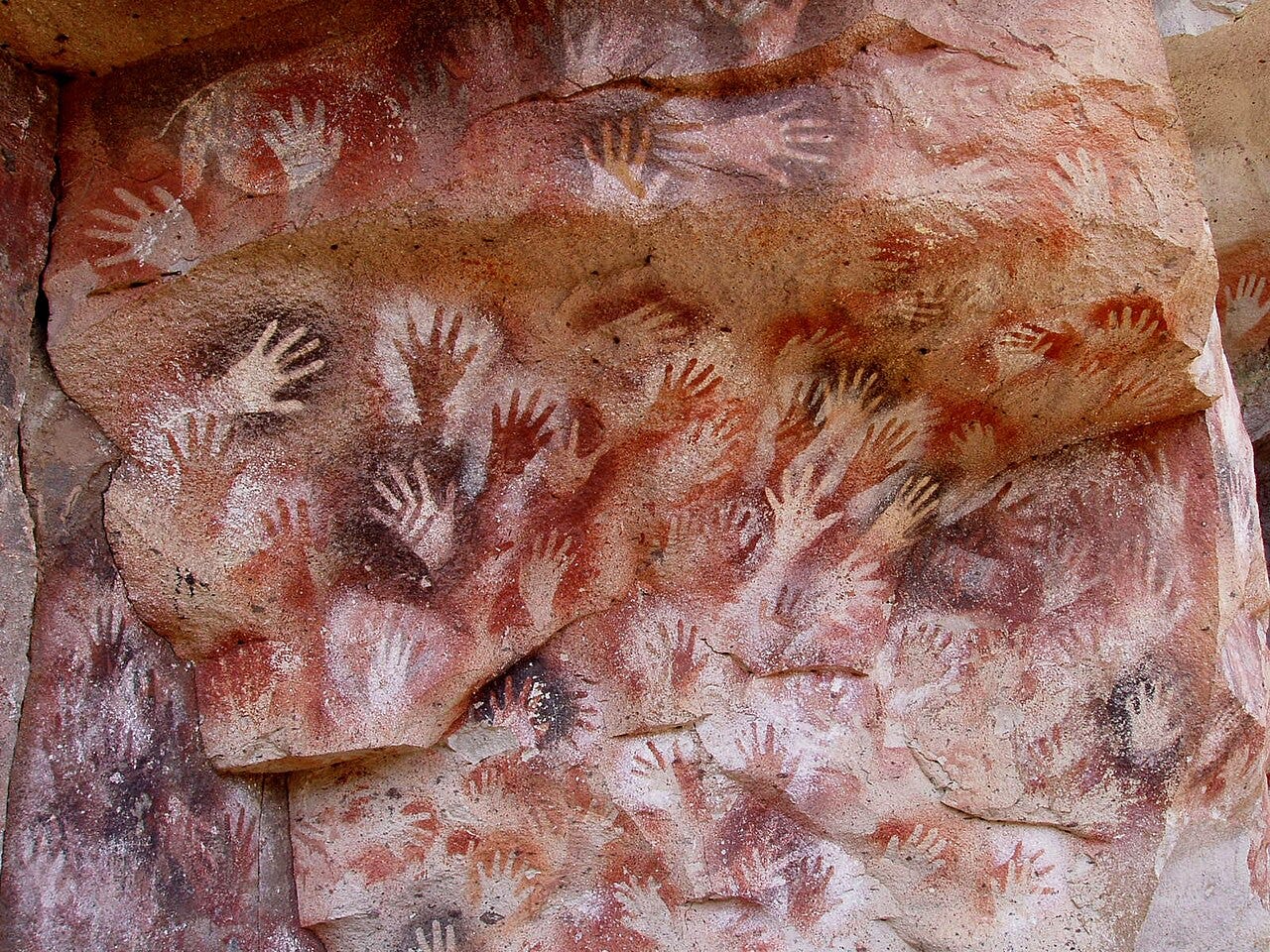
The Marked One
You are first among the people. The whole world is for you and your family to divide and conquer. You work hard, tearing the vines with their cruel thorns, breaking the hard virginal earth and planting seeds. All under the blazing sun. You feel your brow dripping, but the satisfaction of a hard day and of earning sustenance, one plant at a time, more than makes up for it. Your brother looks at you, his innocent smile, a joy in the wilderness. You raise the digging stick and let the crude shape fall upon the earth, again and again. You will have to make something better, you think. Someday.
The sacred day has come. You have chosen the finest of your crops, the most succulent of vegetables, the fairest of wheats, and the freshest of fruits. They are your pride. They are the fruits of your labor. And they couldn’t be better.
You and your brother slowly approach the altar, your eyes downcast, the offerings are given, with as much respect and piety as a human being can muster. The voice echoes and booms. And strikes you like thunder on a clear night. Unmistakable, terrible, and frightening. And it carries the weight of rejection for you. Your offer has been deemed unworthy. All the effort, all the pain, all the sweat that watered that hard earth. For naught.
Your brother’s offering is praised; the voice speaks highly, golden and soothing. Unlike your turn, this one is light. While your brother is praised. Your face hardens as the last blood of the lamb slowly drips through the altar’s stone. You remember the first time the thorns stuck into your hands and forearms; you remember feeling warm, wet, and in pain, dripping onto the dust. The smell of earth mixed with your own blood. All under the blazing sun.
You grab the stone. Black and heavy. You raise the rock and let the blunt shape fall upon Abel, again and again. He will smile no more. There will be no going back. The blood of the lamb and the blood of Abel mingle. The sun watches and almost immediately begins to dry up the gore. The earth sucks up the blood, opens up to drink deeply of the life it has been given.
A moment of silence, not even the rustling of the wheat stalks, about the field where your brother’s blood was spilled. The eerie quietness makes you leave. Alone you walk.
You hear the voice. The entire world shakes when he speaks. You know what will happen, your parents told you the story of their own punishment. He asks what you feared the most. And you do not reply, for he already knows what happened. But you ask, your speech heavy with all your rage, pain, and sorrow. Your voice trembles a little bit. “Am I my brother’s keeper?”
The curse strikes you. The pain beyond unbearable. Then coldness. Alone and far away from your field, your family, and your god. You beg, not for any of them back, but just to not be slain like a jackal upon a farmer’s field.
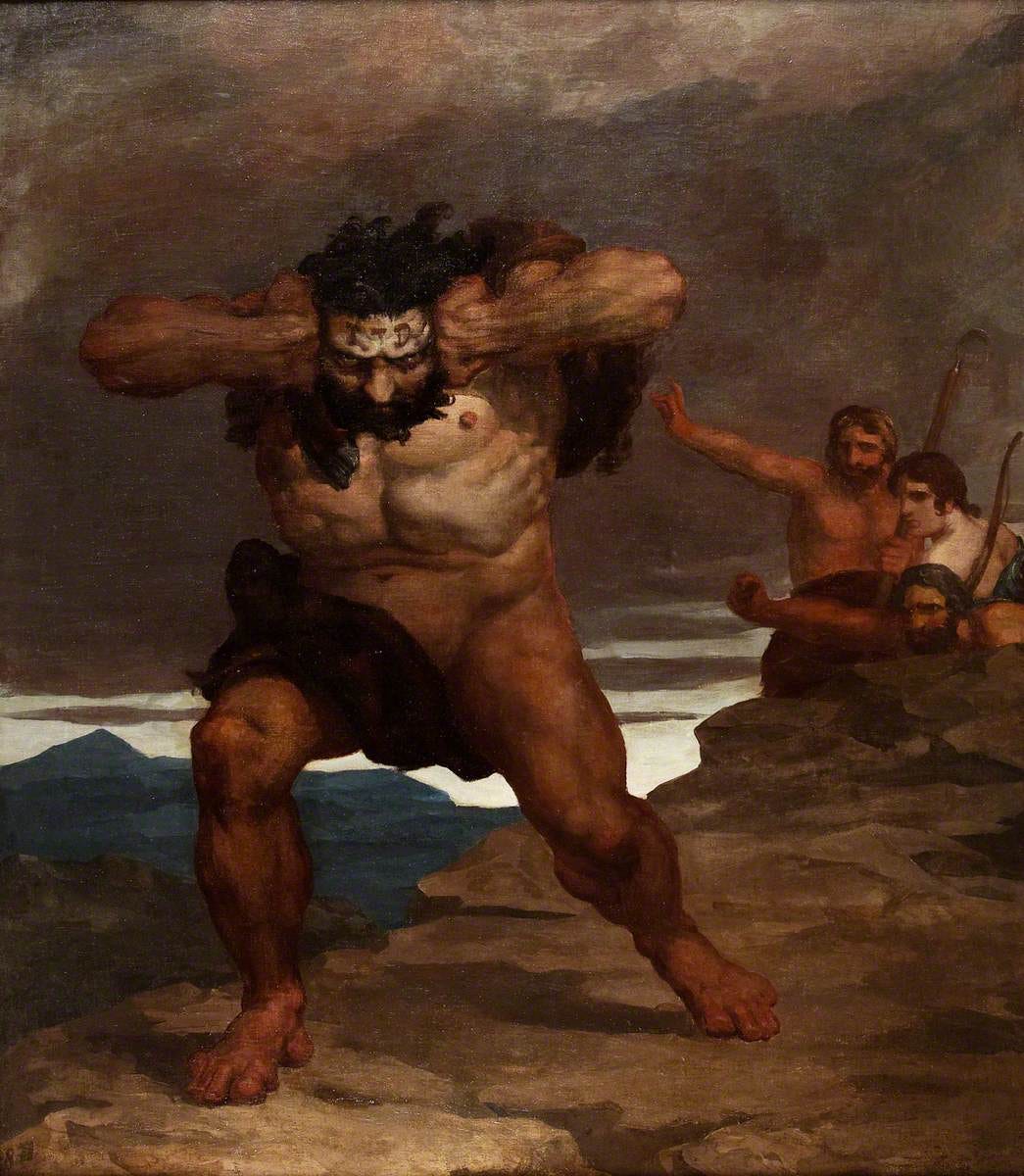
Out of the Exile, a World
East of Eden, you wander. Birds keep silent as you walk. Animals run away from your path. Then you see it. A field, open, spacious, and beautiful. You know you will never be able to till one, so you sit in the shade of a Date Palm. You ponder for a moment, and as you do, you see them in the distance. Other humans. Made in HIS image. They are lost and not of your kin. Slowly, you approach them, fear nests in their eyes when they see your mark, but then you give them something that beats back their fear. Hope.
You start to organize them; you are older than most of them, wiser in a way, and your words carry the weight of a man who has spoken to god. No longer you till, no longer you plow, no longer you rip out the painful thorny weeds. So your skills turn to organization and planning. Soon, a few huts start crowding around yours. And people begin to flock, looking for protection and sustenance. Mud houses are built, and under the blazing sun, bricks are dried. As the place begins to swell with people, more ideas gather, and more opportunities arise.
A young woman is surrounded by onlookers close to the city’s gate. They seem enthralled. Her smile, sweet as honey and milk, flashes as her eyes dart around the crowd. Then you hear it. Soft, haunting notes from the strings she plucks. And her voice following close by, like a hunter stalking a gazelle.
In all your years, you had never heard such combined beauty; then one of her notes trailed off, almost like a cry. And you remember, you know too well, what a cry sounds like. You walk off, leaving the crowd that has just begun to join in, with their own voices.
A crowd follows you as you enter the house. Inside, it’s hot; your eyes go wide, and the crowded room gasps. An old man is pulling up a new material and slowly shaping it with a hammer. The object takes up form; it becomes sharper, longer, and a straight point makes its use clear. Not a tool, not a decoration, but the first weapon.
Time passes, and you walk the now crowded streets. Animals and people make way for you, even bowing. Sound echoes in the many fiery workshops, where tools and weapons are forged during the day. At night, another one, even more pleasing to the ear, the sound of strings and flutes, followed by laughter.
You step onto your house's terrace, surveying the scene. You have built a place for thousands to live and prosper. Arts and crafts unknown to your parents fill this new world, making the day’s work easier and the night’s more joyous.
Then you see him. A young shepherd is taking his sheep home. He is joyful as he herds the animals. A tear falls from your eye. And regret swallows you, as the night envelops your city.
You Called It Wisdom. It Was Fear.
Pure fear.
That fear is what we common mortals feel when we’re faced with the same extreme emotions that gods, titans, heroes, and biblical characters wear without flinching. And when we see the darker parts of our own nature flaunted proudly by a villain, something stirs deep within us.
Villains are the most entertaining part of any story because they show us a whole part of ourselves every piece we’ve had to hide, amputate, and minimize. Rage. Impulsiveness. Ambition. When we read or watch, we see the antagonists flaunting exactly what we keep buried. They wear it without fear or remorse. We hide it with shame.
That’s why, halfway into a book or a film, something in us leans forward and asks how interesting it would be if the bad guys won just this once. No last-minute Deus ex, no final effort or power of friendship. Just the cold, calculating victory of the more powerful, more interesting villain. You’ve felt it. Some part of you wanted him to win.
And here is the twist. These two, the thief and the murderer, are the least dangerous company you will keep in this series. The rebel is the easiest confession to make because everyone has wanted more than they were given and has felt the cage. This is the shame you can bear to look at.
The ones still coming, you buried deeper, and for worse reasons. By the end, you’ll be asked to recognize yourself in the parts you’ll swear you don’t have.
I wonder whether part of our fascination with villains comes from the structural movement they introduce into a story. They often carry what has been excluded both from the established moral or social order and from our conscious image of ourselves. They may become figures onto whom we project aspects of our own shadow, allowing us to encounter disowned desires and impulses at a safe distance. Through them, we may be watching an abandoned or unrealized possibility of the self take visible form. Within the story, they become a force that alters the relational and narrative field, unsettling the existing structure and compelling other characters to reveal what they protect, fear, repress, or desire. Even when we reject the villain’s actions, we may still be drawn to what they awaken in us and to the movement their presence generates in the story.
Repression doesn't erase anything, it just relocates the material somewhere it can't be examined directly anymore. The villain becomes the examination room nobody has to admit to entering. That reframes the guilt people feel wanting the villain to win too. It was never really about endorsing cruelty. It's closer to relief at watching something get free air time that's been kept locked in a basement for years, rage, ambition, the thing that wanted more than it was given.