

Goblins are fictional enemies now. They were once real friends.
They are among the shortest creatures in the mythical world. Easy to overlook. Easy to lump together with gnomes, dwarves, or fairies as if they were all interchangeable inhabitants of some vaguely enchanted forest.
They are not.
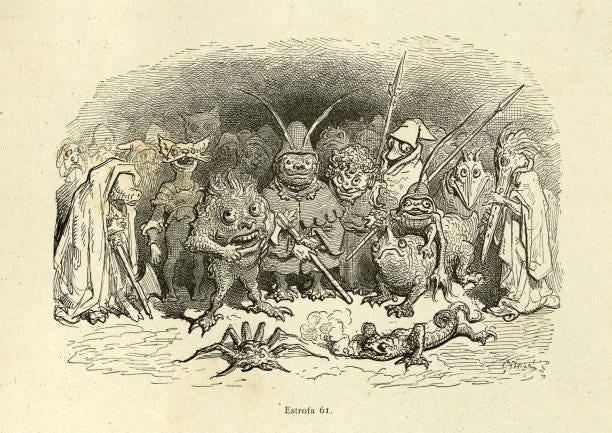
Goblins are deeply connected to the earth. Chthonic and dark. Their realm is the shadow moving between trees, the creak and groan of a house during a winter night, the sound you hear when you’re alone and suddenly aren’t sure you are. They are creatures of thresholds, not quite nature spirits, not quite demons, not quite anything you can pin down comfortably.
And here’s what modern fantasy erased: they were helpful. Befriend a goblin, and it would protect your household, guard your travels through unfamiliar land, and keep the darker things at bay. In Scottish folklore, they were household spirits, the invisible members of the family known in so many Indo-European traditions.
A presence that helped or hindered, depending on the relationship it received. Leave an offering, show respect, and the goblin will work alongside you. Ignore it, disrespect it, and you meet the other side, the petty, relentless, vengeful side that humans know all too well.
This is an archetype with teeth. A powerful trickster who compensates for size with cunning, much like early humans hunting game far larger than themselves through clever tactics and patience. Dark, resourceful, and capable of real damage. Not evil. Dangerous. There’s a difference.
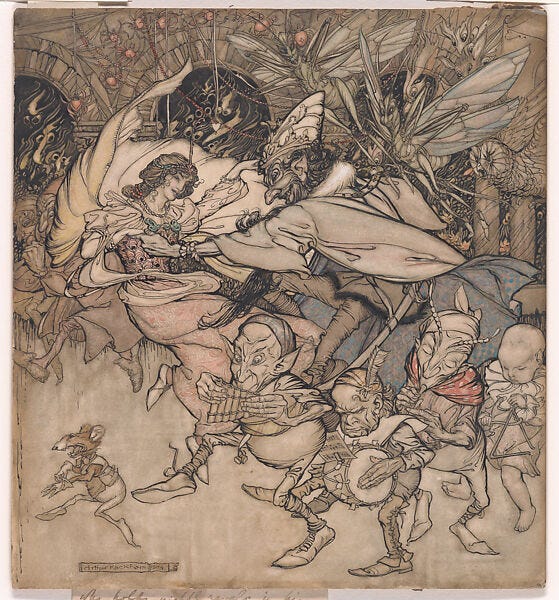
Then we domesticated it.
In 1872, George MacDonald, one of the most influential figures in the history of fantasy, the writer who would inspire both Tolkien and C.S. Lewis, published The Princess and the Goblin. It was one of the first modern portrayals of goblins as small, grotesque, and simply malevolent. Creatures to be outwitted and overcome. Not negotiated with. Not respected. Defeated.
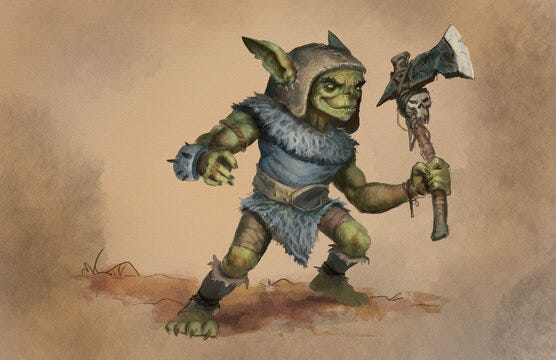
Tolkien took that template and further crystallized it. By the time Dungeons & Dragons assigned them six hit points and a rusty short sword, the demotion was complete. The goblin, once a chthonic force of nature, became a Level 1 enemy.
Green-skinned, hunched, frightened. The smaller, pettier cousin of orcs and other beings that at least got the dignity of being feared.
A hundred and fifty years of fantasy fiction, and one of the oldest archetypes in human storytelling became cannon fodder.
Why does it matter what happened to a mythical creature?
Because the old world had more depth. More life. More truth.
Our ancestors experienced the world as a living tapestry, multifaceted, breathing, dangerously alive. There was life within every rock, stone, tree, brook, river, and mountain. They lived in wonder, yes, and sometimes in fear of the things that shared their world. But also with respect for the place they inhabited and the forces — seen and unseen — that inhabited it alongside them.
Now we believe we know everything. That every single thing around us is inert matter. Not living, but dead. And with the death of the world around us, something inside us has gone to sleep.
But here’s what the goblin teaches, if we’re willing to listen:
When we demoted it from household spirit to cannon fodder, we didn’t just lose a creature. We lost a relationship. The old world didn’t merely believe goblins existed; it believed you had to negotiate with the dark, small, clever forces in your life. Leave an offering. Show respect. Acknowledge that the thing under your floorboards had power, even if you were bigger.
Modern fantasy says: kill it, take the XP, move on.
Modern life says the same thing. The small dark feelings. The petty impulses. The clever survival instincts that kept you alive when you had no power, we treat them like goblins at a gaming table. Something to clear out on the way to the real quest.
And that first part about being real friends? I didn’t lie. The relationship was real.
Are the goblins real, too? That’s still for debate.
But the old stories knew better.
You don’t kill the goblin. You befriend it, or you pay the price.
Do you think we have been unfair to goblins?
I just started reading George Macdonald to my daughter. The Golden Key. You’ve got a good thing going here. I can’t wait to read what’s next! 😊
Your daughter is very lucky! Sounds like you made a great choice. I agree we need more people retelling the old tales.