

The World Was Never Dead
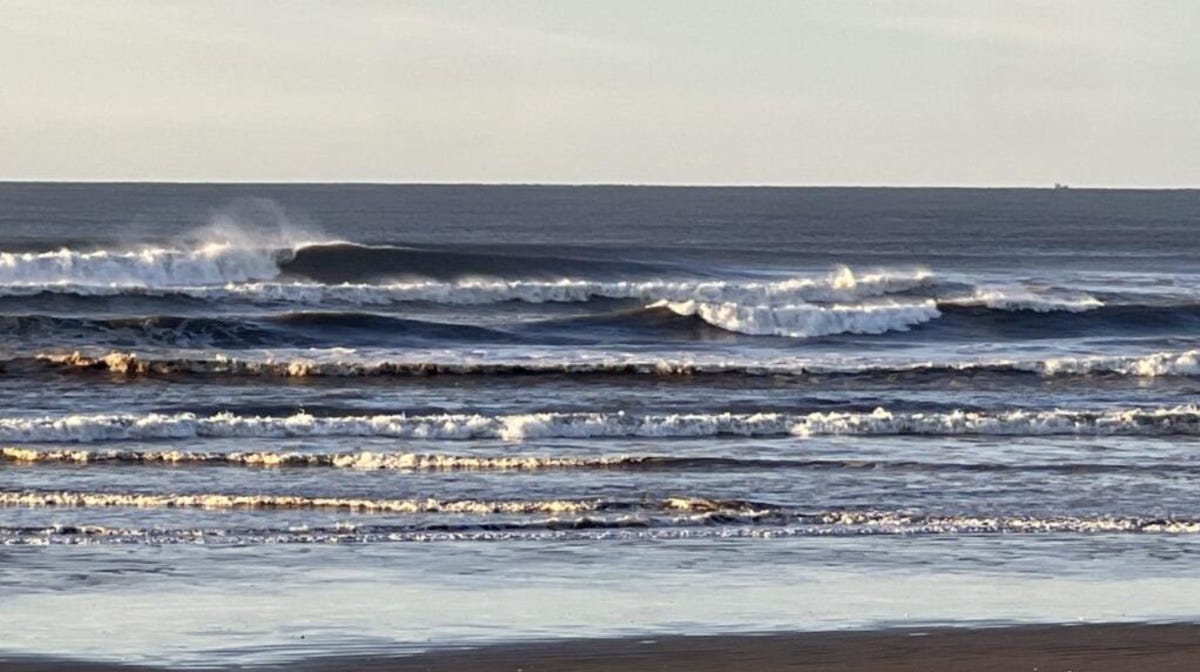
There’s a stretch of the Atlantic I keep going back to. Last time I went alone, at dusk, and stood on the sand for a long time. Nothing happened. A gull crossed the wind. The waves kept doing what the Atlantic does, arriving, arriving, arriving. And something in me, some old circuit I had forgotten was wired in, started humming. Not a thought. Not a feeling, exactly. More like recognition.
For a moment, I understood why my ancestors believed the sea had a god.
The World They Took From You
From the moment you were born, one idea was drilled into your mind. The material world is the only world. No magic. No spirits. The rivers and mountains are not alive; they are geology. Everything has already been explained, and what hasn’t will be eventually explained by someone in a lab.
This is not the world our ancestors lived in.
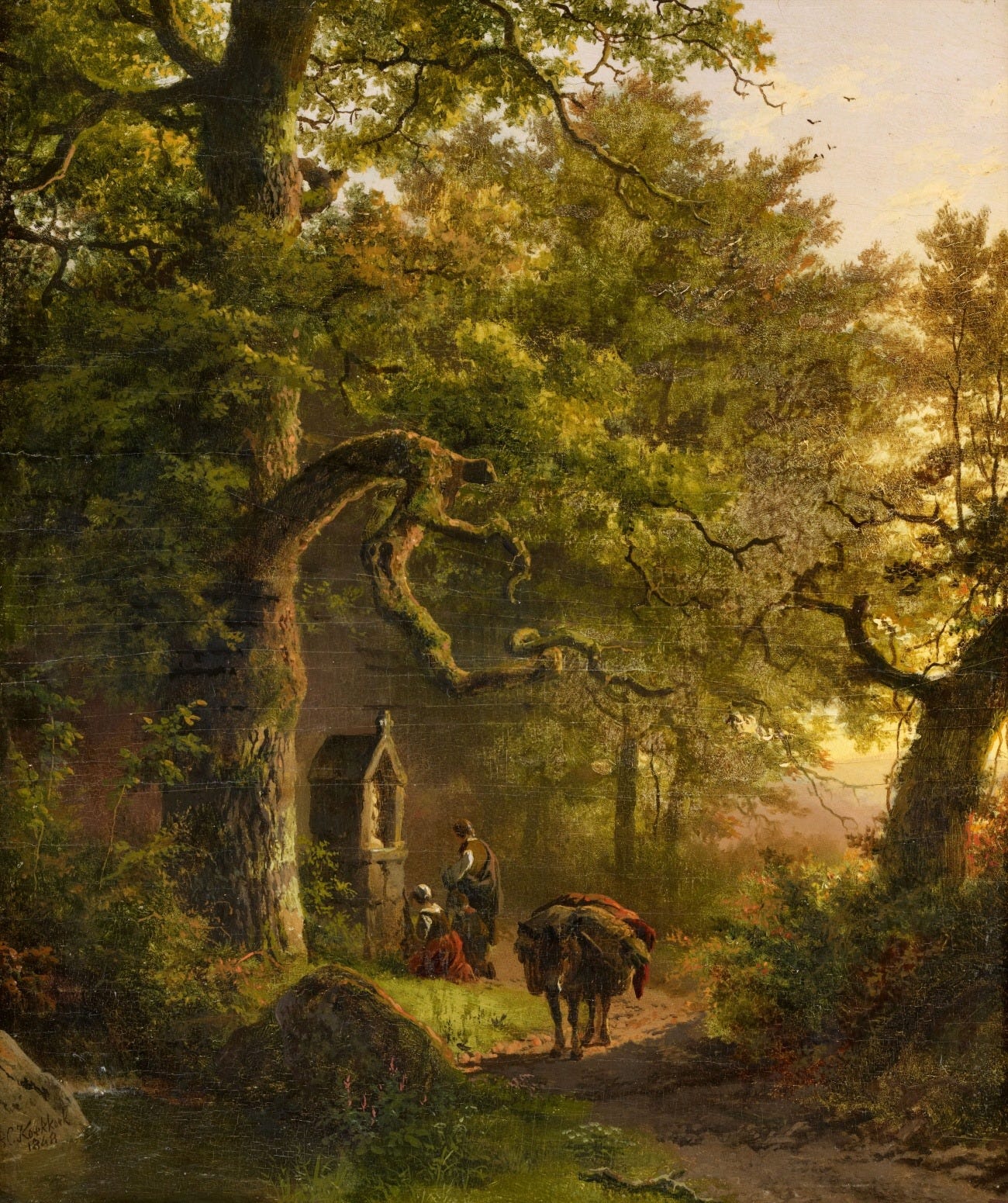
They lived in a world full of life, replete with mystery and abounding in meaning, where every brook and creek held a spirit or a god. Where forests breathed. Where the land they walked on was as alive as they were. And at every corner, there was a Saint or Spirit willing to protect you, bring you health, or guide you home.
The modern world didn’t come alone; it came with antibiotics. With childbirth, that stopped killing half the mothers. With the knowledge of how to produce food and goods on an unimaginable scale, and with the ability for me to write this and for you to read it across whatever ocean or continent sits between us. These are not small things. A child who would have died at two now lives to eighty. Only a fool waves that away.
But every trade has a cost, and we haven’t yet realized what we gave away.
What Was Lost
Meaning used to be embodied, not sought. The question what’s the meaning of my life? would have been more alien to someone in the 7th century than an iPhone 17 blasting Mr. Beast videos. Meaning wasn’t a problem to solve, a secret to be found, an answer to a lifelong question.
It was as clear to them as the sky on a summer day, all encompassing like the fresh air they breathed, and as expected as the seasons.
The cosmos was ordered, and your place in it was defined. Community was thick family, shared work, shared stories, shared dead. The story you were born into, with its gods and saints and spirits, was already there when you arrived, and you stepped into it the way you stepped into language.
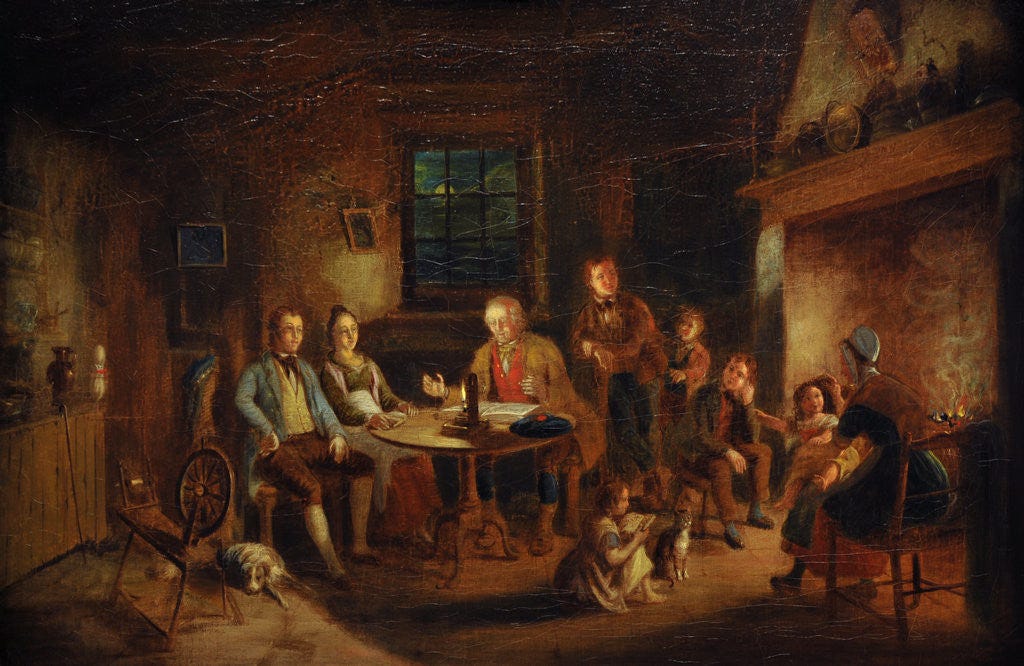
And there was the other side. Contact with it wasn’t rare. It was just Tuesday. Goblins in the pantry, brownies by the hearth, a saint you talked to when you lost something, a place to remember and honor those who came before, with a few candles and their favorite foods as an offering. Even the household, the most civilized, most human-controlled space we have, was shared with the invisible world.
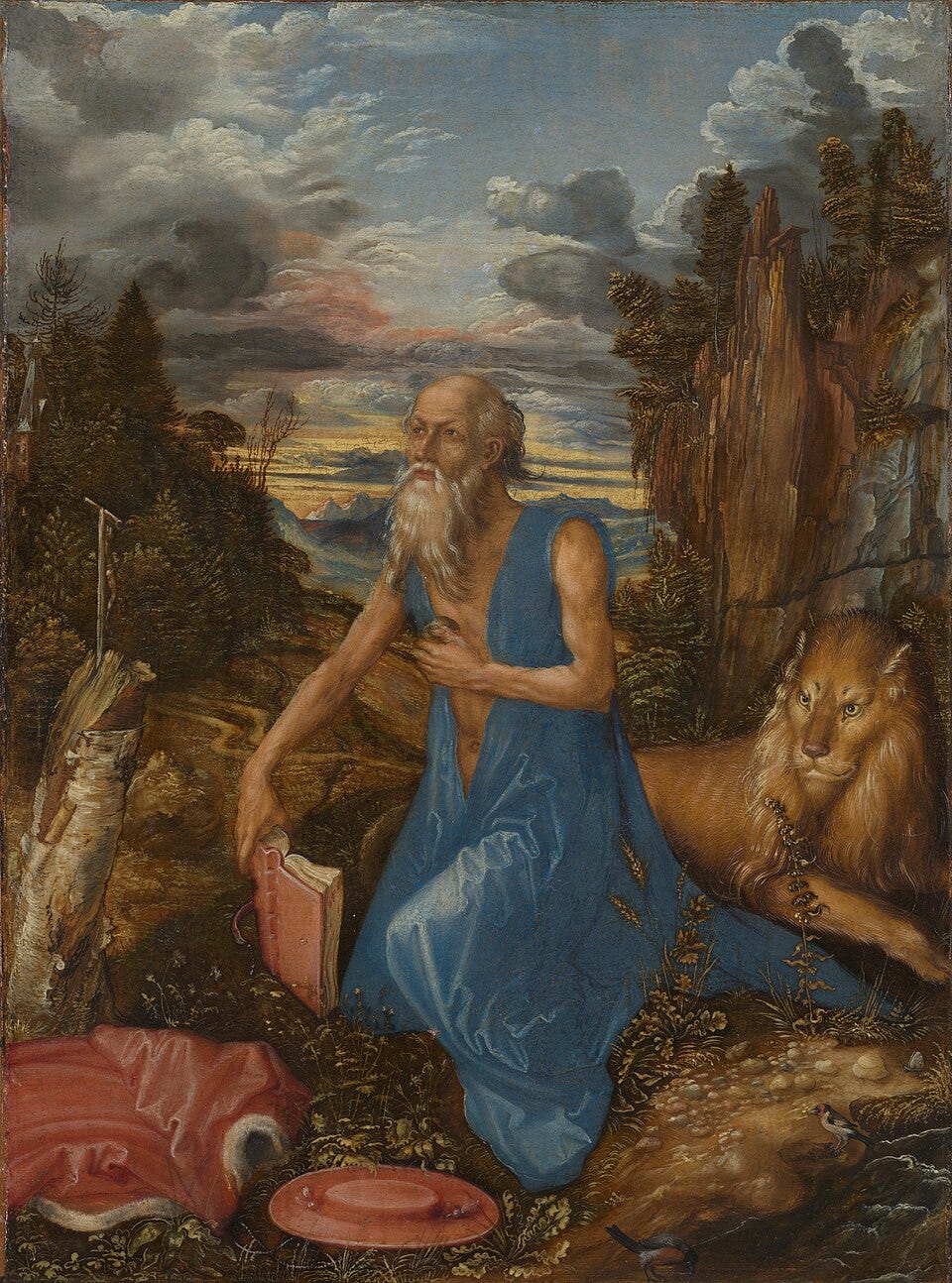
The hermits, the ones we now picture as lonely, were the least lonely of all. They were on talking terms with God. The further away they got from civilization, the closer and more intimate they got with the divine.
The Loneliness We Invented
Loneliness is the poison that seeps out of our material success. Not ordinary loneliness. Humans have always missed each other. I mean the metaphysical kind. The sense that the cosmos is vast and indifferent, and you are a fleck inside it with no one listening. That loneliness is a modern invention. It did not exist for most people for most of history.
I want to be honest about the other half of this, too. The enchanted world was not a garden. It had demons as well as friendly gnomes. It had witch trials, plague read as divine punishment, and a bad crop could mean starvation for your entire family. The same cosmology that gave people meaning also gave them terror. Anyone who romanticizes the old world without looking at this has to look harder.
We did not cure terror by killing enchantment. We cured some of the terror with medicine, law, and science. The enchantment was killed separately, and we are still not sure why.
What To Actually Do
We can’t go back. The structure is too deep, and the fight against modernity would cost us the very time and attention we need to recover anything. So what follows is not a program for returning. It is a program for smuggling things back in.
Put one thing on a shelf. Not a full altar, not yet. One photograph of someone you loved who is dead. A candle in front of it. Light it on their birthday and when you miss them. I am serious about how small this has to start, because the small versions are the ones that survive.
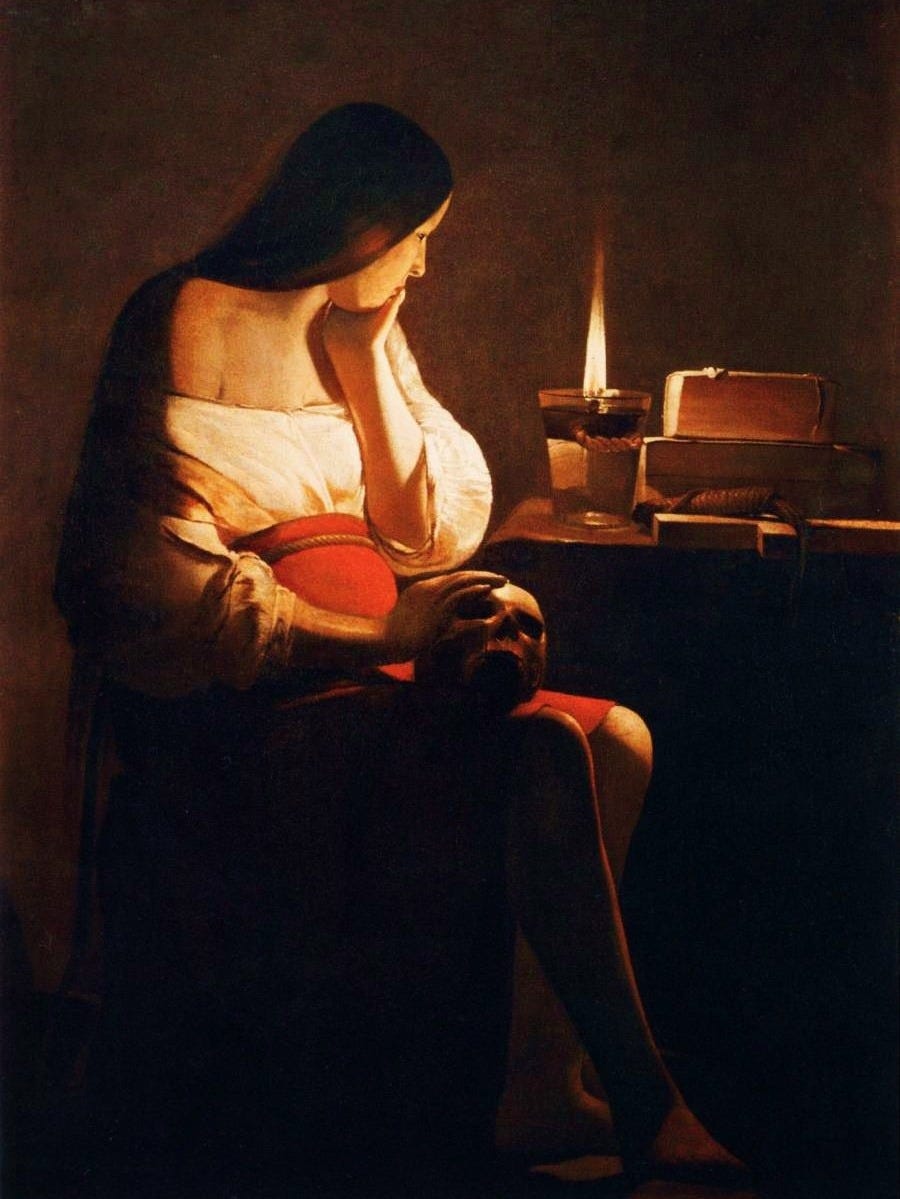
Pick one river, or one tree, or one hill, and go to it. Not once, but often. Enough that you start to know its moods. The enchantment does not come from believing the tree has a spirit. It comes from paying attention long enough for the question to stop demanding an explanation.
Eat with the same people every couple of weeks. Not a dinner party, nothing too fancy. The same people in a relaxed, intimate mood. This is how the dense community our ancestors had actually functioned, not through grand gatherings but through shared repetition, for years, decades, and generations.
Read one old story slowly. Not a novel. Something that carried people through their lives for centuries, a Bible book, a sutra, the Odyssey, a saga, a folk tale, whatever has a claim on you. Read it the way they read it: fully present, out loud, and many times.
Stop looking at your phone so much. The flatness of the modern world is partly real and partly the result of staring into a rectangle engineered to overwrite every quieter signal. You cannot feel the ocean through a screen.
None of these are too big, but they are big enough for a great start. That’s the point. The old world was not built out of grand gestures. It was built out of repetition, the same candle, the same meal, the same story, the same walk, until the repetition carved a groove deep enough for meaning to pool in it.
The world was never dead. We just stopped lighting the candles long enough to see it.
What did you lose that this reminded you of?
I love this piece of writing so much. This is exactly what I wrangle as I’m sharing stories with my daughter and thinking about the world.